


Soursop is one of those fruits you look at and think, “ok… this looks interesting.”
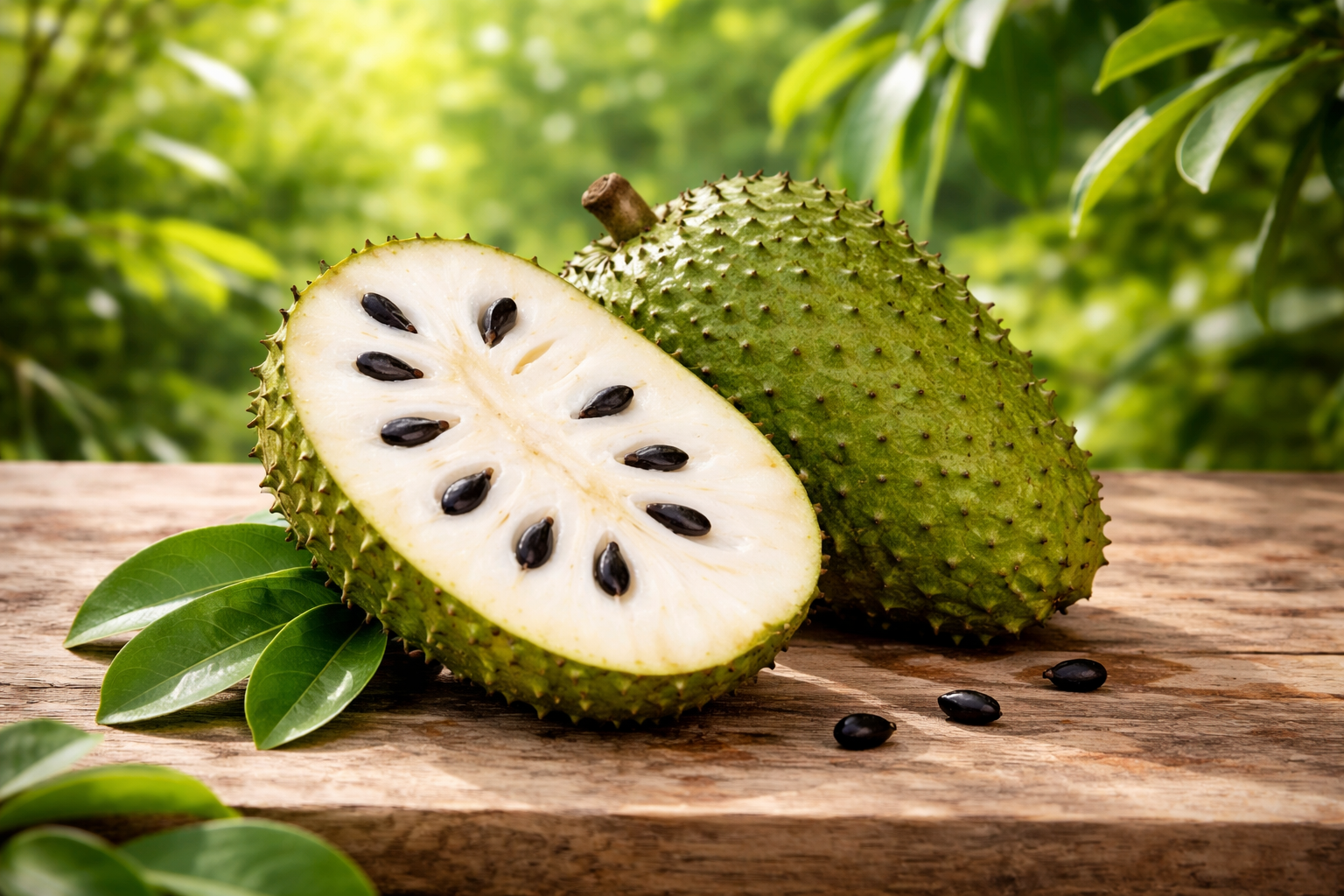
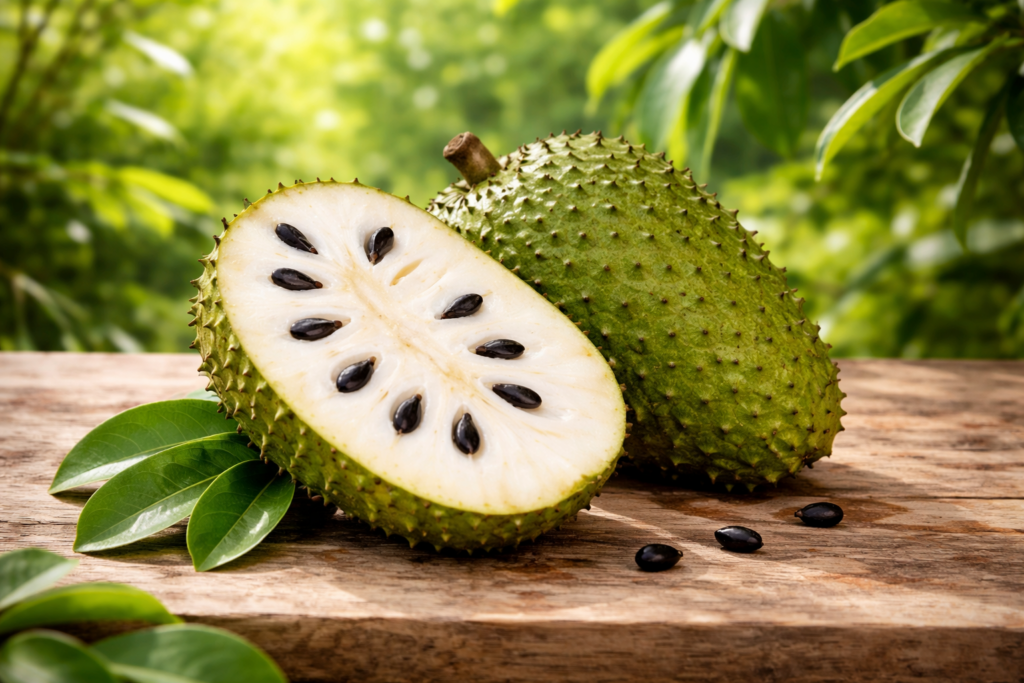
On the outside, it is big, green, and covered in small soft spikes. On the inside, it is a completely different story: it has a white, soft, juicy pulp that feels made for desserts, juices, and happy spoonfuls.
So, where does soursop come from?
Soursop, or Annona muricata, is a fruit native to tropical America. Sources place it as originating in this region of the continent, likely somewhere between Central America, the Caribbean, and northern South America. In other words, it was born in a warm, humid, tropical climate, which is exactly where it grows best.
It also belongs to the Annonaceae family, the same family as other tropical fruits known for their creamy pulp and strong aromas.
And what does it taste like?
This is where it gets good. Soursop has a flavor that is hard to compare to just one fruit. Many people describe it as a mix of sweet and tangy, with a very fresh tropical note. Its pulp is creamy, fragrant, and juicy, so it does not feel heavy, but rather smooth and refreshing.
It is one of those fruits that does not go unnoticed: either it sparks your curiosity from the very first bite, or it leaves you thinking about what other recipe you would like to try it in.
What are its benefits?
Besides being delicious, soursop also provides some interesting nutrients. Different reviews report that its pulp contains vitamin C, fiber, and minerals such as potassium. It is also a fruit with high water content, which is why it feels so refreshing when eaten or blended.
Now, an important note: talking about its nutritional value is one thing, and marketing it as a “miracle fruit” is something completely different. There are studies on compounds found in the plant, but that does not mean it should be seen as a medical treatment. In addition, some reviews advise caution when it comes to consuming the seeds and non-food extracts.
How is it eaten?
The part that is used is the white pulp. It is usually eaten when the fruit is fully ripe, because that is when it becomes softer, more aromatic, and more flavorful. It can be eaten on its own with a spoon, or used in cold and creamy recipes.
The most common ways to enjoy it are:
- in juice
- in smoothies
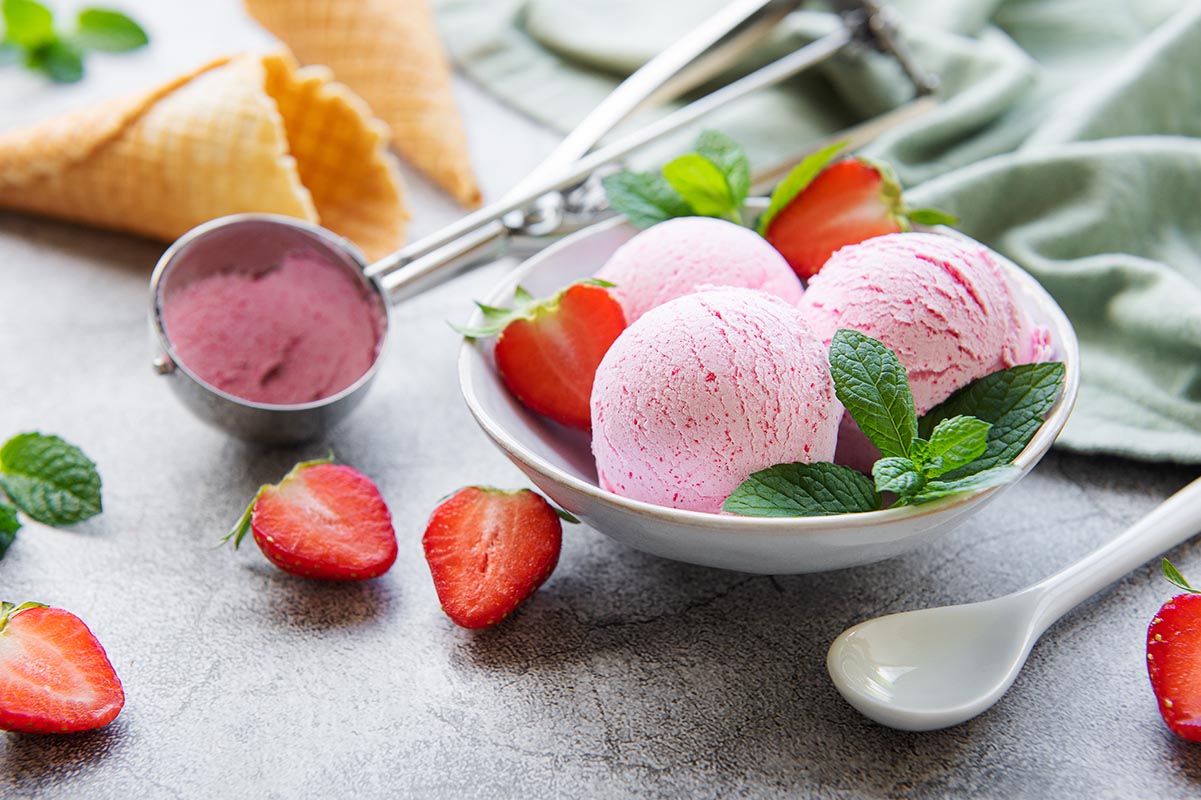
- in ice cream
- in desserts
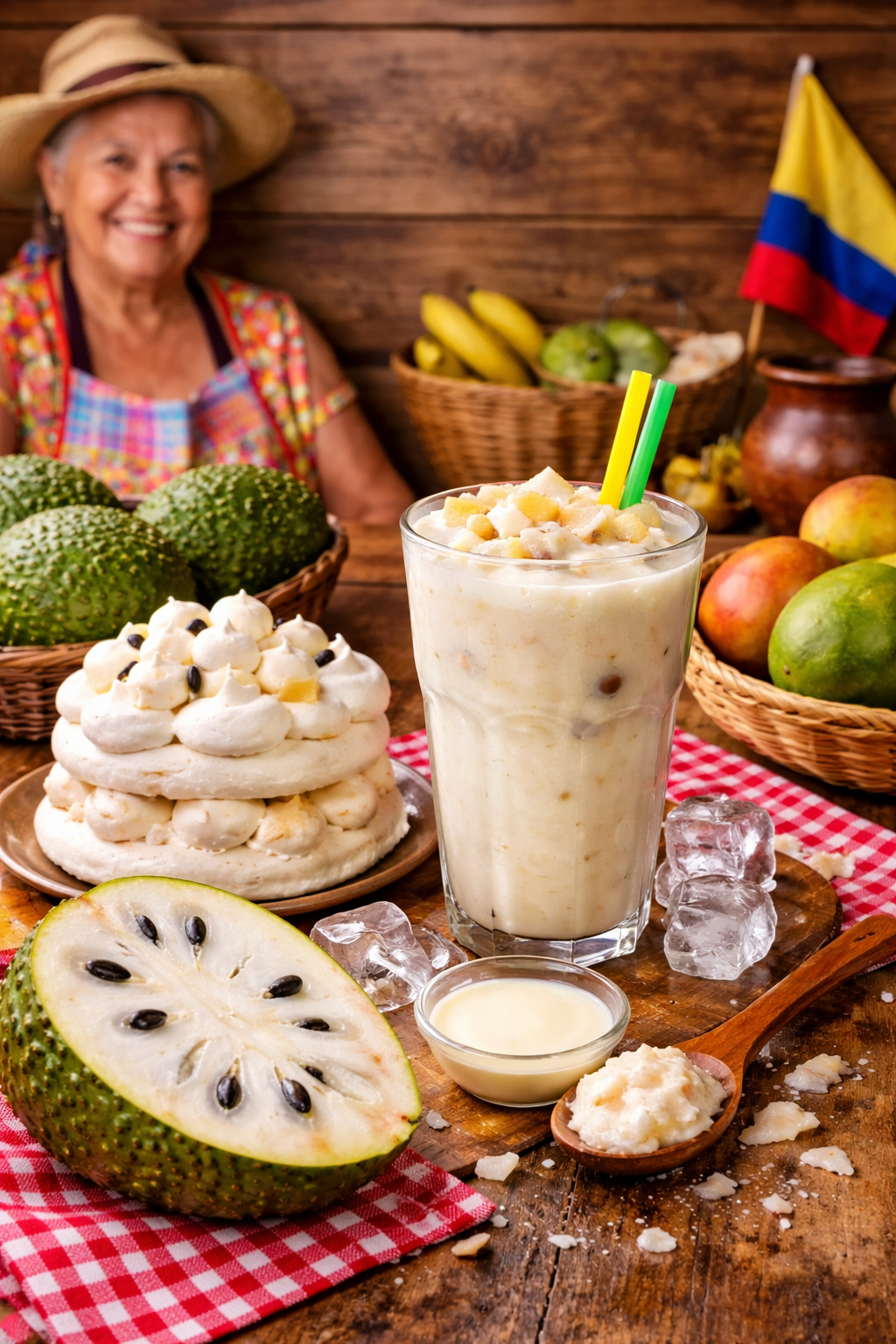
- in creamy preparations like the famous guanabanazo
One important thing: the seeds are not eaten, so they should always be removed before blending or preparing the pulp. That part definitely takes a little patience.